


 Posts
Posts


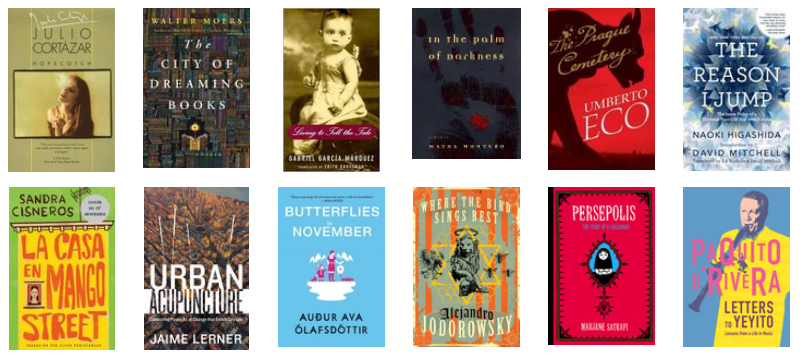
I always wanted to know at least one other language, and
since many of the closest countries are Spanish-speaking, like many neighbors
here too, that language was a practical choice. One of my teachers said that
the best way to learn a language is to read as much as possible, especially
books, which contain every kind of word formation. Reading a book translated
from English to Spanish helps me learn the latter, and reveals where changes were
made. When I read a book translated to English, I have fun imagining how the
original might have been written, and what would have had to stray from
directness. This reciprocation also deepens my understanding of the mechanics
of English. The voices of certain translators have sometimes pleased me as much
as the authors themselves. After all, it is the translator’s words I am reading
the story through.
Practicing Spanish is not the only reason. Why stop there?
Even if I can’t learn a new language from reading one book, there is a
rewarding experience of seeing the same processes at work, and more
importantly, learning about different parts of the world, from people who have
lived different experiences. Even works by English-speaking authors, especially
from countries like England, can provide positive challenges. The importance of
translation extends to nonfiction: the science and journalism communities are
now global. There is a world of writing to be enjoyed, and translation is the
key to making that available to more readers.
Note: I wrote this as a brief essay, limited to under 250 words. There is a lot more I could say, and would be open to starting a discussion on the topic.

No comments:
Post a Comment