


 Posts
Posts


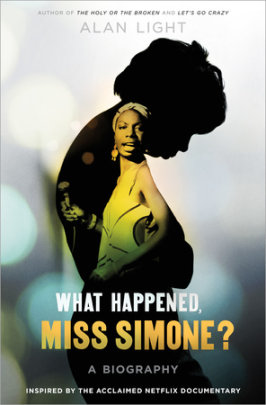
What do you know about Nina Simone? For my admiration of her
and her music, I didn’t know all that much, and thought a book like this would
be informative. Yes, this is a beginning to end biography, but feels like a
series of events strung together, without any deep analysis. “What Happened, Miss Simone?” covers her tumultuous life, if brushing lightly over some heavy,
serious incidents. I think this is a fair depiction of the woman, not entirely
sympathetic for giving so much attention to her weaknesses, but we can see she
was a strong person, and a true and original artist.
Simone has a hazy discography, and from what I read I would
believe that she was cheated out of many royalties from her recordings,
especially via bootlegs. She was a difficult perfectionist, and her handling of
performances was very interesting. Nina Simone was a classical pianist, but
ended up a singer first and pianist second. Her style doesn’t fit in any one
bag, she was classical and jazz at the same time, folk, African, and so on. Her
protest music interfered with the standard trajectory of a pop singer, but she
needed to use her stage to full effect, both artistically and socially.
She lived all over the world, never staying in one place
very long. Her daughter Lisa and second husband Andrew Stroud, who also served
as her manager for much of her career, took the brunt of Nina’s uncompromising
behavior (Stroud also beat Simone at least once). The book doesn’t provide a
medical diagnosis, but it seems Nina Simone suffered some sort of mental
illness, perhaps bipolar disorder, and was overworked, for everything she had
to offer the world. This was tough to read about – she often became violent,
and had the whole world working against her, yet she left a huge legacy in
music and civil rights.
There were few people who knew Simone for who she really
was. Guitarist Al Schackman stands out, a musical partner and constant friend,
there especially when needed most. Their playing together also made up some of
the interesting music descriptions, which could also have been more
substantial. The words of jazz experts George Wein and Stanley Crouch are
included, but the dense use of quotations makes for a choppy read. Some
handwritten artifacts appear, usually with their transcriptions, but the diary
entries are more effective. With all the material to work with, I think more effort
could have been made to make a better written biography. In the end, the best
way to learn who a musician really is, is to listen to their music.
Note: I received a free copy of this title through BloggingForBooks in exchange for an honest review.
Note: I received a free copy of this title through BloggingForBooks in exchange for an honest review.

No comments:
Post a Comment